
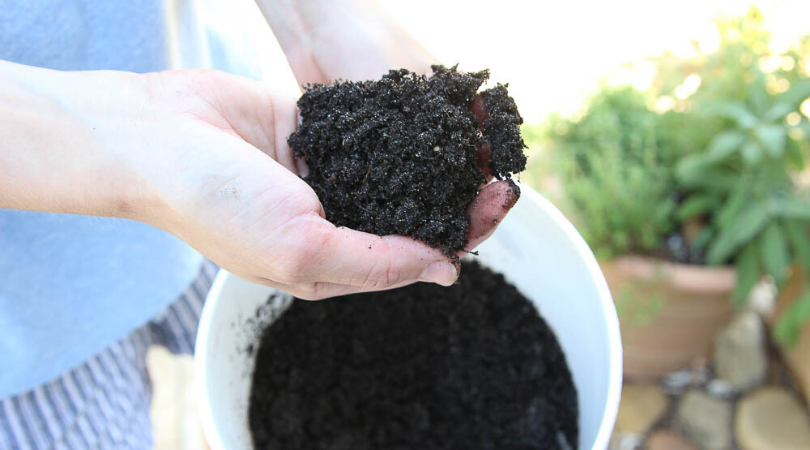
Garden soil and compost are not the same thing. Garden soil provides the mineral base and structure plants need to anchor their roots, while compost adds organic matter, nutrients, and beneficial microbial activity that improves soil health over time.
For most gardens, the best choice is not garden soil or compost alone. It is usually a smart combination of both: soil for structure, compost for fertility.
Quick Answer
Use garden soil as the base for planting and compost as a soil amendment. Garden soil gives plants physical support, while compost improves nutrients, drainage, water retention, and microbial life. In most cases, mixing compost into garden soil creates a healthier growing environment than using either one alone.
Garden Soil vs Compost: The Simple Difference
Garden soil is mostly made from mineral particles such as sand, silt, and clay, along with some organic matter, air, and water. Compost is decomposed organic matter made from materials such as food scraps, leaves, grass clippings, coffee grounds, and other biodegradable materials.
| Feature | Garden Soil | Compost |
|---|---|---|
| Main role | Provides structure and root support | Improves soil fertility and organic matter |
| Composition | Sand, silt, clay, minerals, water, air | Decomposed organic matter |
| Best use | Base for planting beds, lawns, and landscaping | Soil amendment, mulch, top dressing, potting mix ingredient |
| Nutrient value | Varies by source | Usually richer in organic nutrients |
| Can it be used alone? | Yes, but often benefits from compost | Usually not ideal alone for most plants |
What Is Garden Soil?
Garden soil is the planting medium used to support roots, hold moisture, and provide a mineral base for plants. Native soil in your yard can vary widely depending on your location, while bagged garden soil is usually a prepared mix sold for planting beds and landscaping.
What Garden Soil Contains
- Sand: improves drainage and aeration.
- Silt: helps hold moisture and nutrients.
- Clay: holds water and nutrients but can become compacted.
- Organic matter: supports soil structure and microbial life.
- Air and water: essential for roots and soil organisms.
Pros and Cons of Garden Soil
Pros of Garden Soil
- Provides a stable base for plant roots.
- Can be cost-effective for large garden areas.
- Works well for raised beds, landscaping, lawns, and in-ground planting.
- Available at most garden centers.
Cons of Garden Soil
- Quality can vary depending on the source.
- May become compacted over time.
- May drain poorly if it contains too much clay.
- May lack sufficient organic matter or nutrients.
- Can contain weed seeds, pests, or disease if poorly sourced.
What Is Compost?
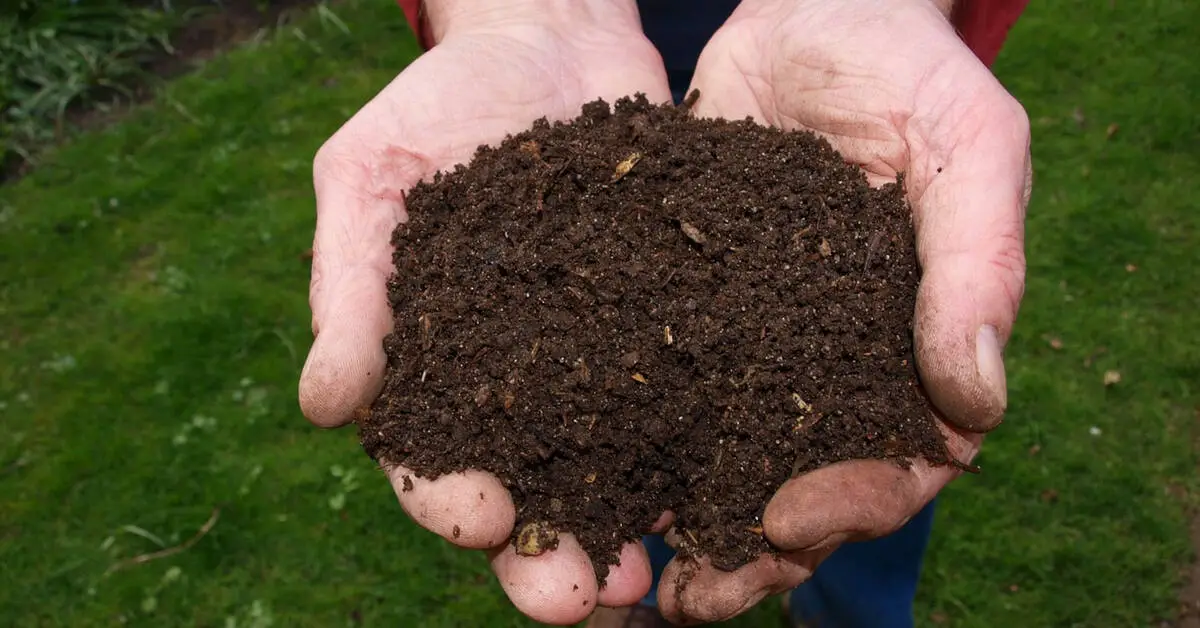
Compost is decomposed organic matter. It is created when microorganisms break down materials such as vegetable scraps, fruit peels, coffee grounds, leaves, grass clippings, and other biodegradable waste.
In gardening, compost is best understood as a soil amendment, not a complete replacement for soil. It helps improve soil quality by adding organic matter, supporting microbial life, and improving water and nutrient retention.
Want to Make Compost From Kitchen Scraps?
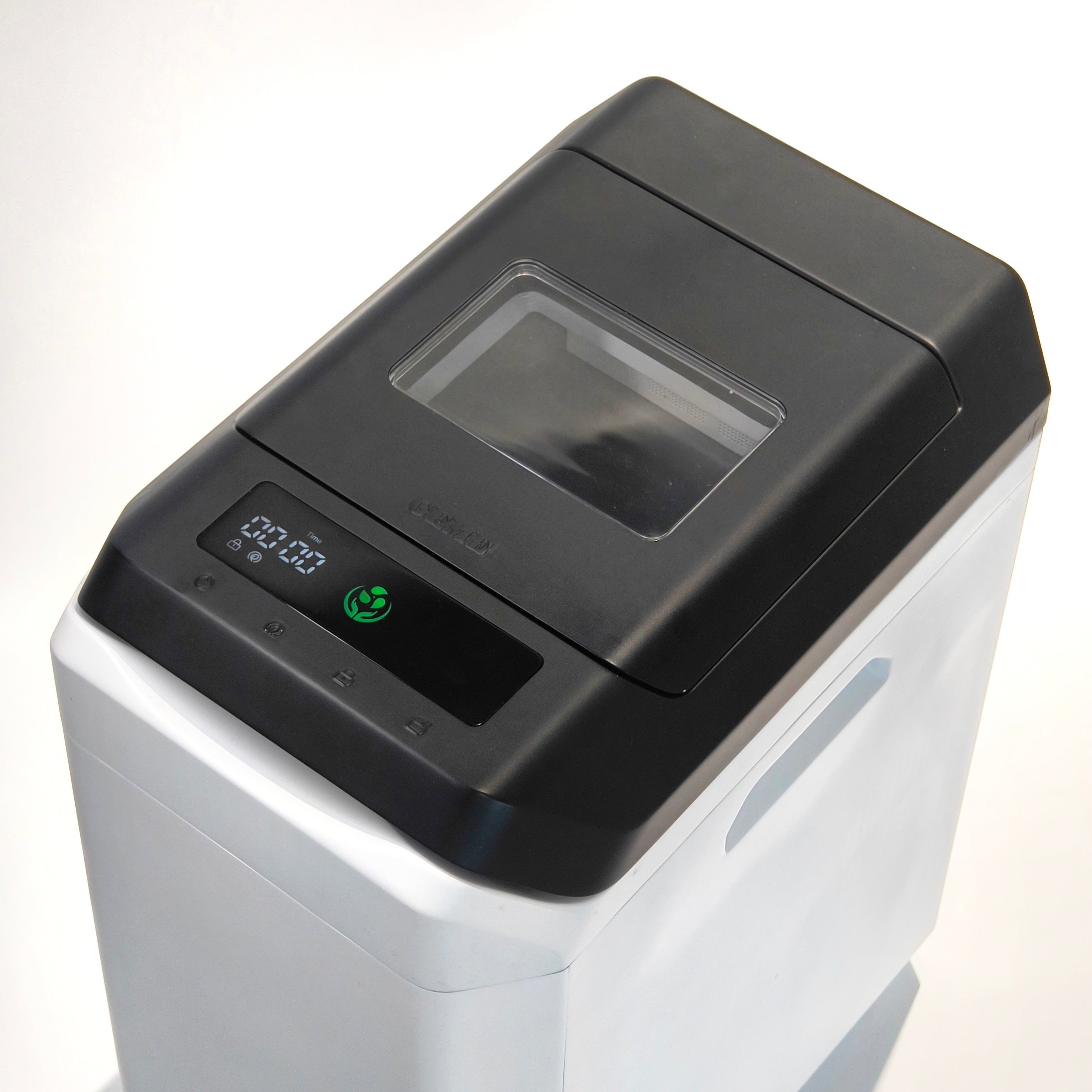
If you want to create compost at home from daily food waste, GEME Terra 2 is a kitchen electric composter designed for continuous indoor composting. It helps households process kitchen scraps more conveniently before using compost output in soil or garden applications.
Pros and Cons of Compost
Pros of Compost
- Improves soil structure: compost helps loosen heavy soil and improve poor soil texture.
- Adds organic matter: organic matter supports healthier soil over time.
- Supports microbial life: mature compost can introduce beneficial microorganisms.
- Improves water retention: compost helps soil hold moisture more effectively.
- Reduces waste: composting turns organic waste into a useful garden resource.
Cons of Compost
- Compost alone usually does not provide enough structure for most plants.
- Immature compost can be too active for seedlings or sensitive plants.
- Homemade compost may contain weed seeds if not managed properly.
- Purchased compost can be more expensive than basic garden soil.
Should You Use Garden Soil or Compost?
For most gardeners, the answer is both. Garden soil gives plants physical structure, while compost improves the quality of that soil.
If your garden soil is too sandy, compost can help it retain more moisture. If your soil is heavy clay, compost can improve drainage and reduce compaction. If your soil is low in organic matter, compost can help rebuild long-term soil health.
How to Use Garden Soil and Compost Together
The best way to use compost is to mix it into soil or apply it as a top dressing. Here are common application methods:
- For garden beds: mix compost into the top layer of soil before planting.
- For vegetable gardens: add compost before the growing season to improve fertility.
- For flower beds: mix compost into the soil or apply a thin layer around plants.
- For lawns: use mature compost as a thin top dressing.
- For containers: blend compost with other potting materials instead of using compost alone.
Recommended Garden Soil and Compost Ratios
| Use Case | Recommended Approach |
|---|---|
| Vegetable garden | Mix compost into garden soil before planting. |
| Flower bed | Use compost as a soil amendment or top dressing. |
| Raised bed | Use soil as the base and add compost for organic matter. |
| Potted plants | Blend mature compost with potting mix; avoid using compost alone. |
| Lawn top dressing | Apply a thin layer of screened mature compost. |
Can You Plant Directly in Compost?
In most cases, you should not plant directly in pure compost. Compost is rich in organic matter but does not always provide the mineral structure, drainage balance, and stability that plant roots need.
A better approach is to mix compost with garden soil or potting mix. This gives plants both structure and nutrients.
How Kitchen Composting Fits Into Soil Health
Kitchen scraps such as fruit peels, vegetable leftovers, coffee grounds, and eggshells can become a valuable part of the composting cycle. Instead of sending these materials to a landfill, households can process them into compost material that supports soil improvement.
This is where a kitchen composter can help. For people who want to compost at home but do not have an outdoor compost pile, an indoor composting system can make the process easier and more consistent.
From Food Waste to Better Soil
GEME Terra 2 is designed for households that want an easier way to compost kitchen scraps indoors and return organic matter to the soil.
Which Is Better: Garden Soil or Compost?
Compost is better for improving soil quality. Garden soil is better for providing a planting base. They work best together.
If you are filling a large bed, start with garden soil and amend it with compost. If you are improving existing soil, add compost regularly. If you are trying to reduce kitchen waste, composting at home can help you create organic material that supports your garden over time.
Frequently Asked Questions
Is compost the same as garden soil?
No. Garden soil is a mineral-based growing medium, while compost is decomposed organic matter used to improve soil health.
Should I use compost or garden soil for vegetables?
Use both. Garden soil provides structure, while compost improves fertility, moisture retention, and soil biology.
Can compost replace soil?
Usually no. Compost is best used as a soil amendment rather than a complete soil replacement.
How much compost should I add to garden soil?
For many garden beds, mixing compost into the top layer of soil is enough. The exact amount depends on your soil type, plant needs, and compost maturity.
Can kitchen scraps become compost?
Yes. Kitchen scraps can become compost when they are broken down through a proper composting process. A kitchen electric composter can make home composting easier for households without outdoor compost piles.
What is the easiest way to compost at home?
The easiest method depends on your space and routine. Outdoor piles work for backyards, while a kitchen electric composter such as GEME Terra 2 is designed for indoor home composting.
Create Compost at Home With GEME Terra 2
Garden soil gives plants structure. Compost gives soil life. GEME Terra 2 helps households turn daily kitchen scraps into compost material through indoor home composting.

Zostaw komentarz
Ta strona jest chroniona przez hCaptcha i obowiązują na niej Polityka prywatności i Warunki korzystania z usługi serwisu hCaptcha.