
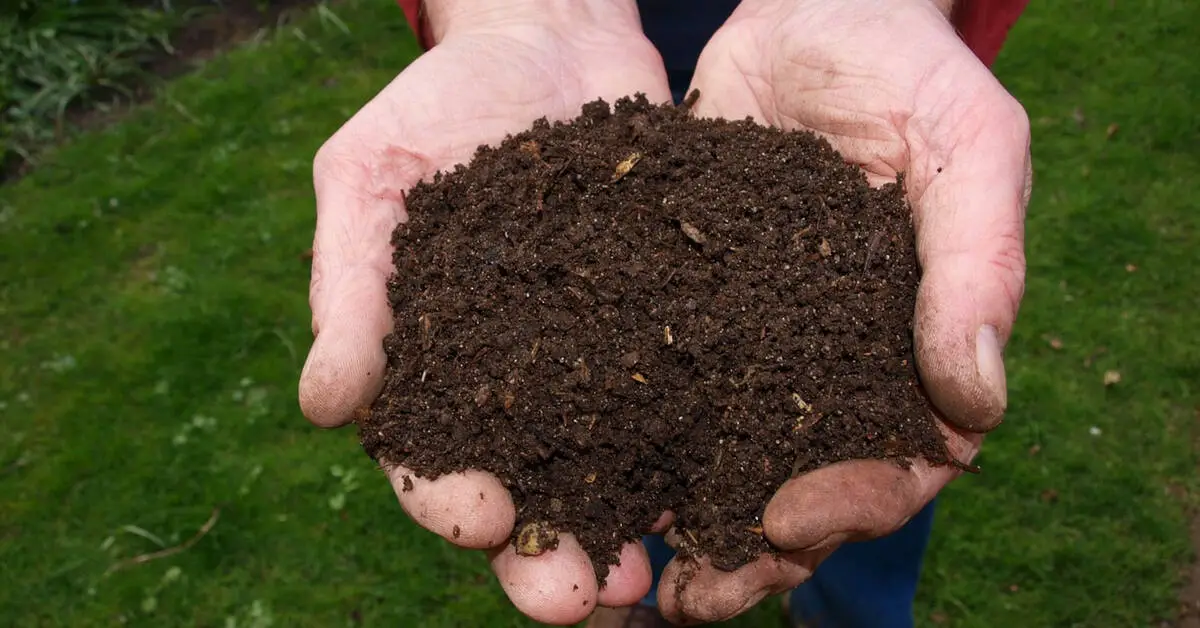
Compost is usually ready to use when it looks dark and crumbly, smells earthy, has cooled to outdoor temperature, and no longer contains recognizable food scraps. These signs show that organic matter has broken down enough to be used as a soil amendment, mulch, or garden booster.
If you compost at home, knowing when compost is ready helps you avoid using unfinished material too early. Immature compost can still be biologically active and may affect seedlings, roots, or soil balance.
Quick Answer
Your compost is ready when it is dark, crumbly, earthy-smelling, cool, and mostly uniform in texture. If the pile still smells sour, feels hot, or contains visible food scraps, it likely needs more time to mature.

5 Signs Your Compost Is Ready to Use
1. It Looks Dark and Crumbly
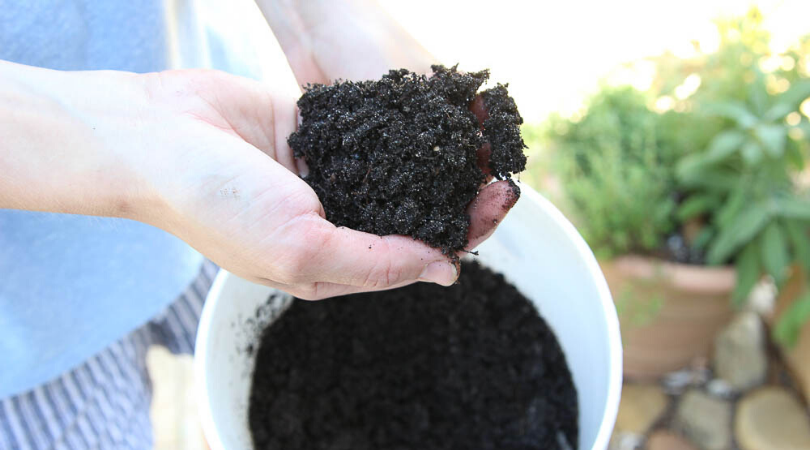
Finished compost should look like rich, dark brown soil. The texture should be loose, crumbly, and easy to spread. If you still see large pieces of fruit peels, vegetable scraps, or other food waste, the compost needs more time.
2. It Smells Earthy, Not Rotten
Ready compost should smell like fresh soil or a forest floor. It should not smell sour, rotten, or like ammonia. A bad odor usually means the compost is too wet, compacted, or still actively decomposing.
3. The Original Materials Are Hard to Recognize
When compost is mature, most original materials should no longer be easy to identify. A few small woody pieces are normal, but food scraps should be mostly broken down.
4. The Volume Has Reduced
As microorganisms break down organic matter, the pile becomes smaller. Finished compost is often much lower in volume than the original material because water evaporates and organic matter is transformed.
5. The Temperature Has Cooled Down
Active composting creates heat. When compost is ready, it should be close to ambient temperature. If the pile is still noticeably warm, decomposition is still happening, and the compost should cure longer.
Want Composting to Be Easier at Home?
Traditional composting takes time, space, and regular monitoring. GEME Terra 2 is a kitchen electric composter designed for continuous indoor composting, helping households process food scraps more easily at the source.
How to Test If Compost Is Ready
Use these simple tests before applying compost to your garden:
| Test | Ready Compost | Not Ready Yet |
|---|---|---|
| Visual test | Dark, crumbly, soil-like | Visible scraps or large chunks |
| Smell test | Earthy and mild | Sour, rotten, or ammonia-like |
| Temperature test | Close to ambient temperature | Still warm or hot |
| Texture test | Loose and crumbly | Wet, sticky, or clumpy |
Try a Simple Germination Test
If you are still unsure, try a germination test. Fill a small pot with compost, plant a few fast-growing seeds, and keep the soil moist. If the seeds sprout and grow normally, the compost is likely mature enough for garden use.
If the seeds fail to sprout, turn yellow, or grow poorly, the compost may still be too active and should cure for a few more weeks.
How to Use Finished Compost
Once compost is ready, you can use it in several ways:
- Soil amendment: Mix compost into garden soil at a ratio of 1:8 to improve structure and organic matter.
- Mulch: Spread compost around plants to help retain moisture and support soil life.
- Potting mix: Blend mature compost with other potting materials instead of using it alone.
- Lawn top dressing: Apply a thin layer over the grass to support healthier soil.
Should You Let Compost Cure Before Using It?
Yes. Even when compost looks finished, it is often helpful to let it cure for a few extra weeks. Curing allows microbial activity to stabilize and gives the compost a more balanced, soil-like quality.
This is especially important if you plan to use compost around young seedlings, potted plants, or sensitive garden crops.
What If Your Compost Is Not Ready?
If your compost is not ready, give it more time and check the conditions:
- If it smells bad, add dry brown materials and improve airflow.
- If it is too dry, add moisture gradually.
- If large scraps remain, break them into smaller pieces.
- If the pile is cold but unfinished, mix it and rebalance green and brown materials.
From Kitchen Scraps to Composting at Home
If you want to compost food waste indoors before using the final material in your garden, a kitchen composter can make the process more convenient. GEME Terra 2 is designed for households looking for a cleaner, easier home composting routine.
Frequently Asked Questions
How do I know when compost is ready?
Compost is ready when it is dark, crumbly, earthy-smelling, cool, and no longer contains recognizable food scraps.
Can I use compost before it is fully ready?
It is better to wait. Immature compost may still be actively decomposing and can be too strong for seedlings or sensitive plants.
How long does compost take to mature?
Compost maturity depends on the method, materials, temperature, moisture, and airflow. Traditional outdoor composting can take several months, while indoor composting systems may help process food scraps more conveniently.
What does finished compost smell like?
Finished compost should smell earthy and mild, similar to healthy garden soil. It should not smell rotten, sour, or like ammonia.
Can I use finished compost directly on plants?
Mature compost can be used around plants, mixed into soil, or added to potting blends. For best results, avoid using large amounts of pure compost directly around delicate seedlings.
Make Home Composting Easier
GEME Terra 2 is a kitchen electric composter designed to help households reduce food waste and support indoor composting at home.

Laat een reactie achter
Deze site wordt beschermd door hCaptcha en het privacybeleid en de servicevoorwaarden van hCaptcha zijn van toepassing.