
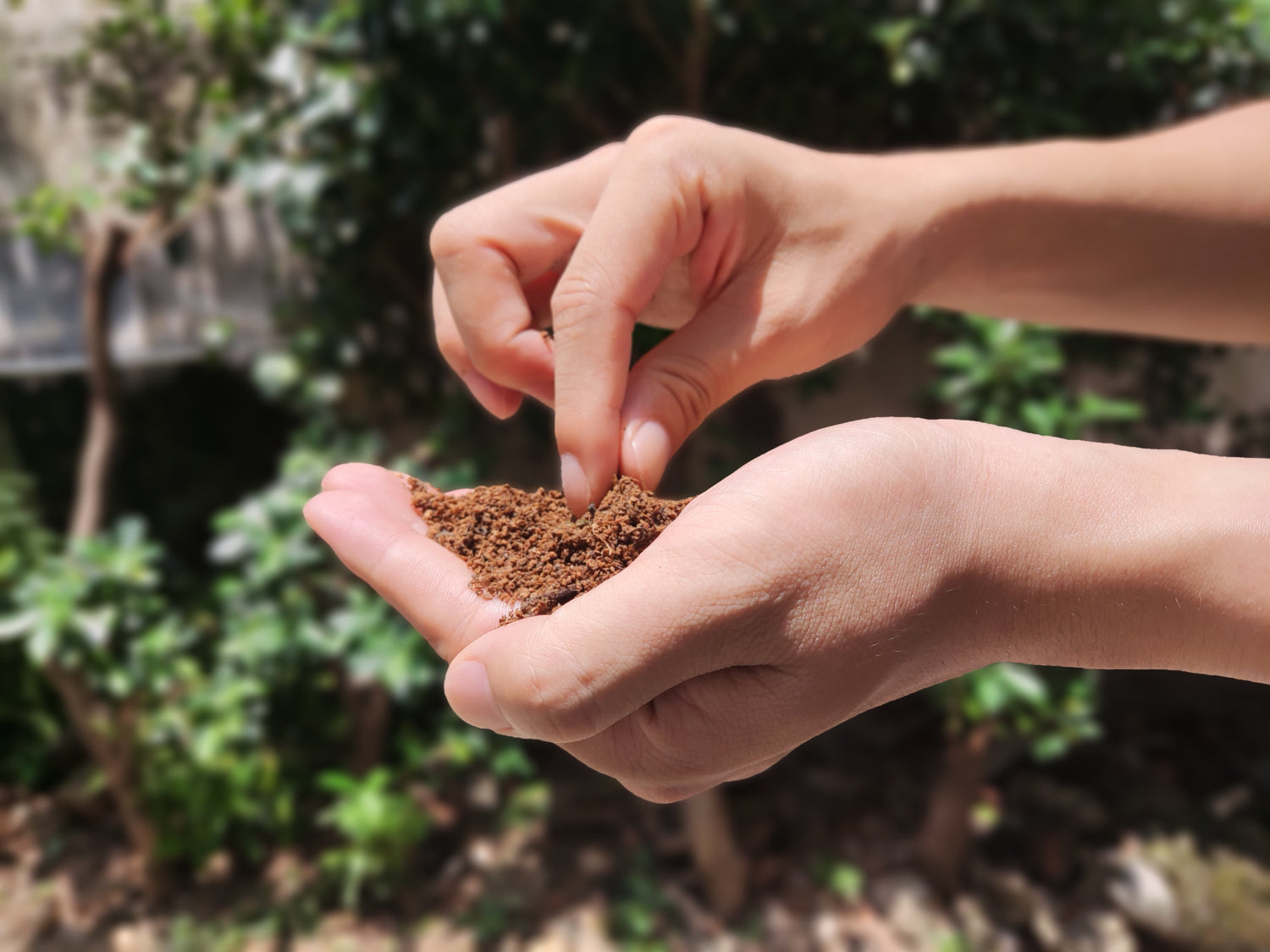
Compost can be used as a top dressing, mixed into garden soil, blended into raised beds, added to potting mixes, or spread lightly over lawns. Most gardens benefit from 1–2 inches of finished compost once or twice a year, while raised beds often perform best when compost makes up about 25–30% of the total growing mix.
This guide explains how to use compost correctly in gardens, raised beds, pots, lawns, and soil mixes. You will also learn how much compost to use, whether compost expires, how to avoid common compost mistakes, and how to create compost at home from kitchen scraps.
Quick Answer
To use compost correctly, apply finished compost in the right amount for each purpose. Use 1–2 inches on garden beds, 25–30% of a raised bed mix, 10–25% in potting blends, and ¼–½ inch as lawn top dressing. Avoid using unfinished compost around delicate plants because it can smell, attract pests, or temporarily tie up nitrogen.

Table of Contents
- What Is Compost?
- How Much Compost Should You Use?
- How to Use Compost in Garden Beds
- How to Add Compost to Soil
- How to Use Compost in Raised Beds
- How to Use Compost for Potting Soil and Plants
- How to Add Compost to Lawns
- Does Compost Expire?
- Common Compost Mistakes to Avoid
- Best Tools for Applying Compost
- How Compost Improves Soil Health
- Seasonal Guide to Compost Use
- FAQ
- Summary
What Is Compost?
Compost is decomposed organic matter made from materials such as kitchen scraps, leaves, grass clippings, garden trimmings, and other biodegradable waste. Finished compost is often called “black gold” because it can improve soil structure, support beneficial microbes, and help plants grow better.
Good compost is dark, crumbly, earthy-smelling, and mostly free from recognizable food scraps or plant pieces. It should not smell sour, rotten, or like ammonia.
Benefits of Using Compost
- Improves soil structure: helps loosen heavy soil and improve poor soil texture.
- Enhances moisture retention: helps soil hold water more effectively.
- Adds organic matter: supports long-term soil health.
- Supports beneficial microbes: encourages soil life and nutrient cycling.
- Reduces waste: turns organic materials into a useful garden resource.
- Reduces fertilizer dependence: compost can supplement, though not always fully replace, fertilizer.
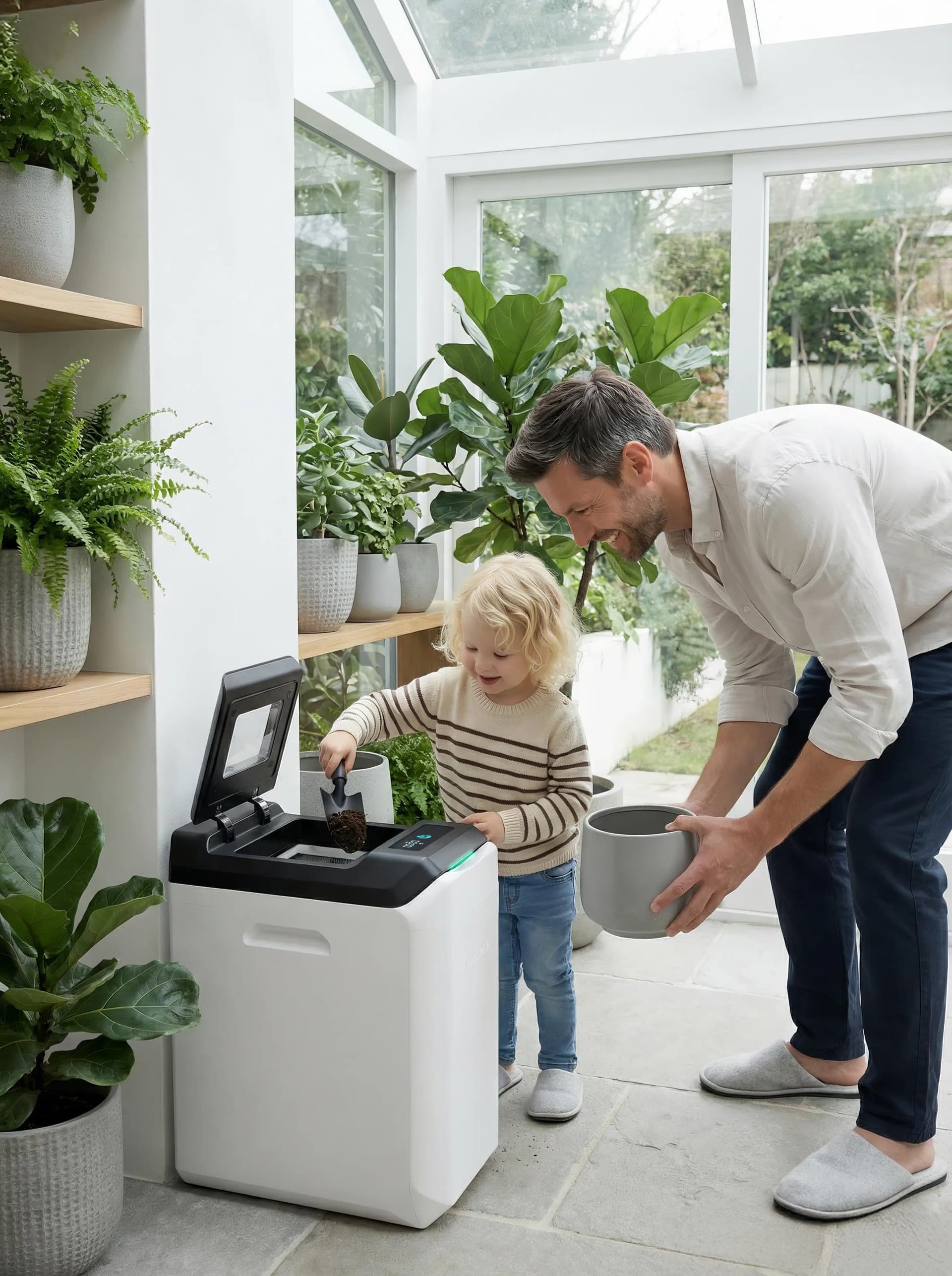
Create Your Own Compost at Home
Compost is most useful when it becomes part of a regular soil-care routine. GEME Terra 2 helps households turn daily kitchen scraps into compost material indoors for gardens, pots, and soil improvement.
How Much Compost Should You Use?
The right amount of compost depends on where you are using it. Too little may not improve soil much, while too much compost can create nutrient imbalance, excessive salts, poor drainage, or weak plant growth.
| Application | Recommended Amount | Best Use |
|---|---|---|
| Garden beds | 1–2 inches on top | Spring or fall soil improvement |
| Raised beds | 25–30% of the total mix | Blended with soil, coir, or other materials |
| Potting soil | 10–25% of the mix | Containers, houseplants, and vegetables |
| Lawns | ¼–½ inch top dressing | Improving soil beneath turf |
| Tomatoes and heavy feeders | Side dress during growth | Add around plants every 6–8 weeks if needed |
| Seedlings | Use lightly or avoid strong compost | Only use mature, screened compost |
How to Use Compost in Garden Beds
For most garden beds, spread 1–2 inches of finished compost over the soil surface. You can leave it as a top dressing or gently mix it into the top few inches of soil.
Best Time to Add Compost to Garden Beds
- Spring: add compost before planting vegetables, herbs, and flowers.
- Fall: add compost after harvest to rebuild soil over winter.
- During the season: use small amounts around heavy feeders.
Top Dressing vs Mixing Compost In
- Top dressing: spread compost on the surface and let rain, watering, and soil life move nutrients downward.
- Mixing in: gently blend compost into the top 4–8 inches of soil for faster integration.
If you are unsure whether compost is finished, check that it is dark, crumbly, and earthy-smelling. You can also read: When Is Compost Ready to Use?
How to Add Compost to Soil
Compost works best when it is matched to your soil type and plant needs. Sandy soil benefits from compost because it helps retain moisture. Clay soil benefits because compost improves structure and drainage.
Three Common Ways to Add Compost to Soil
- Top dressing: spread compost over the surface and leave it undisturbed.
- Soil blending: mix compost with garden soil in moderate amounts.
- Planting hole amendment: mix compost with native soil before planting.
Avoid filling planting holes with pure compost. Plants usually need a balanced mix of mineral soil, organic matter, air, and water.
How to Use Compost in Raised Beds
Raised beds usually perform well when compost makes up about 25–30% of the total growing mix. Compost provides organic matter and nutrients, while other materials provide structure, drainage, and moisture balance.
Simple Raised Bed Mix
- 25–30% finished compost
- 40–50% garden soil or topsoil
- 20–30% aeration or moisture-balancing material such as coconut coir, perlite, or similar amendments
For maintenance, add a fresh 1–2 inch layer of compost to the surface once or twice a year instead of replacing the whole bed mix.
Turn Kitchen Scraps Into Garden Compost
If you regularly cook at home, fruit peels, vegetable scraps, coffee grounds, and leftovers can become valuable compost material. GEME Terra 2 is designed for continuous indoor composting from everyday kitchen waste.
How to Use Compost for Potting Soil and Plants
Compost can improve potting mixes, but it should not usually be used alone in containers. Pure compost may be too rich, too dense, or poorly draining for many potted plants.
Recommended Compost Ratios for Containers
- Vegetable containers: 20–25% compost mixed with potting mix and aeration materials.
- Houseplants: 10–20% mature compost, depending on plant sensitivity.
- Seedlings: use very small amounts or avoid compost unless it is mature and screened.
If compost smells sour, looks unfinished, or contains large recognizable scraps, do not use it in pots yet.
How to Add Compost to Lawns
Compost can be used as a lawn top dressing. Apply a thin layer of screened compost, usually ¼–½ inch, and rake it evenly across the lawn.
Lawn Compost Tips
- Use screened compost to avoid large clumps.
- Apply a thin layer, not a thick blanket.
- Water lightly after spreading.
- Top dress in spring or fall for best results.
Too much compost can smother grass, so keep the layer light and even.
Does Compost Expire?
Compost does not expire like food, but it can lose quality if stored poorly. Finished compost can remain useful for months or longer when kept slightly moist, shaded, and well-aerated.
Signs Compost Has Gone Bad
- It smells sour, rotten, or like ammonia.
- It becomes slimy or waterlogged.
- It dries into a hard, lifeless mass.
- It grows excessive mold and smells unpleasant.
How to Store Compost Properly
- Keep it in a shaded place.
- Protect it from heavy rain.
- Allow some airflow.
- Keep it slightly moist, not soaked.
- Use mature compost within a reasonable time for the best quality.
Common Compost Mistakes to Avoid
Using Too Much Compost
Too much compost can cause nutrient imbalance, salt buildup, poor drainage, or overly rich soil. This is especially important in containers and raised beds.
Using Unfinished Compost
Unfinished compost may contain recognizable scraps, smell sour, attract flies, or continue decomposing in the soil. It can temporarily tie up nitrogen and stress young plants.
Using Compost as a Complete Soil Replacement
Compost is a soil amendment, not always a complete growing medium. Most plants need soil structure, drainage, minerals, and air space as well as organic matter.
Applying Compost Too Thickly on Lawns
A thick compost layer can smother grass. Use a thin, even layer and rake it in gently.
Best Tools for Applying Compost
You do not need complicated tools to use compost effectively. Helpful tools include:
- Garden fork
- Shovel
- Rake
- Wheelbarrow
- Compost spreader for lawns
- Gloves
- Screen or sieve for potting mixes and lawns
Safety Tips When Handling Compost
- Wear gloves when handling compost.
- Use a mask if compost is dry and dusty.
- Wash your hands after use.
- Avoid breathing dust or mold from old compost piles.
How Compost Improves Soil Health
Compost improves soil by adding organic matter, supporting microbes, and helping soil hold both water and air. It can also improve nutrient retention and create better conditions for root growth.
EPA explains that composting keeps organic material out of landfills and returns nutrients to soil. Read the EPA guide on composting at home.
Oregon State University Extension also provides practical advice on how to use compost in gardens and landscapes.
Seasonal Guide to Compost Use
Spring
- Add compost before planting vegetables and flowers.
- Refresh raised beds with a thin compost layer.
- Mix compost into new garden beds.
Summer
- Use compost as a light side dressing for heavy feeders.
- Add compost around tomatoes, squash, and other productive crops if needed.
- Avoid thick layers during hot, wet conditions.
Fall
- Add compost after harvest to rebuild garden beds.
- Use compost as part of winter soil protection.
- Prepare beds for spring planting.
Winter
- Store compost properly if not using it immediately.
- Apply compost in mild climates where the soil is workable.
- Plan compost needs for the next growing season.
FAQ
Can compost go bad?
Yes. Compost can lose quality if it becomes waterlogged, anaerobic, extremely dry, or sour-smelling. Finished compost should smell earthy and feel crumbly.
Can you use too much compost?
Yes. Too much compost can create nutrient imbalance, salt buildup, poor drainage, and weak plant growth, especially in pots and raised beds.
How often should compost be added?
Most gardens benefit from compost once or twice a year, usually in spring and fall. Heavy feeders may benefit from small side dressings during the growing season.
Can compost replace fertilizer?
Compost can reduce the need for fertilizer, but it may not provide enough of every nutrient for all plants. Some crops still benefit from targeted fertilization.
Can I use compost directly from my kitchen composter?
It depends on the maturity of the output. For best results, let compost stabilize if needed and mix it with soil instead of applying large amounts directly to delicate roots.
Is compost safe for seedlings?
Only mature, screened compost should be used around seedlings, and in small amounts. Strong or unfinished compost may harm young plants.
How much compost should I use in raised beds?
A common approach is to use compost as about 25–30% of the raised bed mix, then refresh the surface with 1–2 inches once or twice a year.
Should compost be mixed into soil or laid on top?
Both methods work. Top dressing is easy and supports soil life over time. Mixing compost into the topsoil works faster when preparing new beds.
Start Composting at Home With GEME Terra 2
Using compost correctly starts with creating compost consistently. GEME Terra 2 helps households turn kitchen scraps into compost material for gardens, raised beds, pots, and soil improvement.
Summary
- Garden beds: use 1–2 inches of compost once or twice a year.
- Raised beds: compost can make up about 25–30% of the growing mix.
- Potting soil: use 10–25% mature compost, depending on plant type.
- Lawns: apply ¼–½ inch of screened compost as a top dressing.
- Compost quality: finished compost should be dark, crumbly, and earthy-smelling.
- Avoid mistakes: do not overuse compost or apply unfinished compost to sensitive plants.
Sources
- Earth Matter: How to Use Compost
- EPA: Composting at Home
- NRDC: Composting 101
- Oregon State University Extension: How to Use Compost in Gardens and Landscapes

Zostaw komentarz
Ta strona jest chroniona przez hCaptcha i obowiązują na niej Polityka prywatności i Warunki korzystania z usługi serwisu hCaptcha.