
Yes, brown rice is good for you. Brown rice is a whole grain that keeps its bran and germ, which means it contains more fiber, magnesium, antioxidants, and B vitamins than white rice.
This guide explains brown rice nutrition, its health benefits, how it compares with white rice, how to cook brown rice perfectly, how long cooked brown rice lasts, and how to compost leftover brown rice instead of wasting it.
Quick Answer
Brown rice is generally healthier than white rice because it is less processed and contains more fiber, minerals, antioxidants, and plant compounds. It may support digestion, heart health, blood sugar control, and weight management. However, brown rice should be eaten in moderation, rinsed well, and cooked properly. Leftover cooked brown rice should be refrigerated promptly and composted if spoiled.
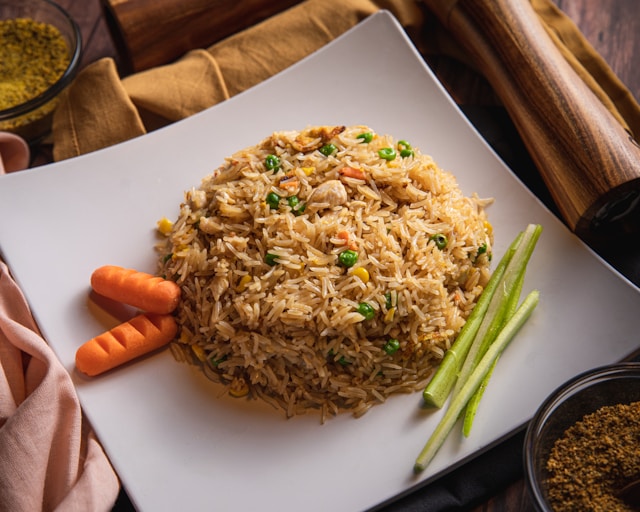
Table of Contents
What Is Brown Rice?
Brown rice is a whole-grain rice with only the outer hull removed. Unlike white rice, it keeps the bran layer and germ, which contain many of the grain’s nutrients.
This is why brown rice has a chewier texture, nuttier taste, longer cooking time, and stronger nutrition profile compared with white rice.
Brown Rice Nutrition
Brown rice contains carbohydrates, fiber, protein, magnesium, phosphorus, selenium, B vitamins, antioxidants, and plant compounds.
A typical cooked cup of brown rice contains approximately:
- Calories: about 216
- Protein: about 5 g
- Carbohydrates: about 45 g
- Fiber: about 3.5 g
- Magnesium
- Phosphorus
- Selenium
- B vitamins
Brown rice also contains antioxidants and phytonutrients, which help explain why whole grains are often linked with better long-term health.
| Nutrient / Feature | Brown Rice | White Rice |
|---|---|---|
| Processing | Whole grain, less processed | Refined grain |
| Fiber | Higher | Lower |
| Magnesium | Higher | Lower |
| Antioxidants | More | Less |
| Texture | Chewy and nutty | Soft and mild |

Reduce Food Waste From Everyday Cooking
Brown rice is healthy, but leftovers can still go bad. GEME Terra 2 helps households compost kitchen scraps and leftover grains indoors instead of sending food waste to the landfill.
Is Brown Rice Good for You?
Yes. Brown rice can be a healthy part of a balanced diet. Because it is a whole grain, it contains more fiber and nutrients than white rice.
Brown rice may support:
- Digestion: fiber supports bowel regularity and gut health.
- Heart health: whole grains are often linked with better cholesterol and cardiovascular outcomes.
- Blood sugar control: fiber slows digestion and glucose absorption.
- Weight management: fiber can help you feel full longer.
- Long-term diet quality: brown rice is naturally vegan and gluten-free.
Harvard Health discusses the nutritional differences between brown and white rice in its comparison of brown rice versus white rice.
Brown Rice vs White Rice
The main difference is in processing. Brown rice keeps the bran and germ. White rice has these layers removed, which changes its nutrition, texture, cooking time, and effect on fullness.
| Category | Brown Rice | White Rice |
|---|---|---|
| Grain type | Whole grain | Refined grain |
| Fiber | Higher | Lower |
| Cooking time | Longer | Shorter |
| Texture | Chewy | Soft |
| Best for | Fiber, fullness, whole-grain nutrition | Quick energy and softer texture |
Is Brown Rice Good for Weight Loss?
Brown rice can support weight management when eaten in reasonable portions. Its fiber content helps you feel full, which may reduce overeating.
However, brown rice is still a carbohydrate-rich food, so portion size matters. A common serving is about 1/2 to 1 cup of cooked brown rice, depending on your overall meal and activity level.
Is Brown Rice Good for Diabetes?
Brown rice may be a better choice than white rice for some people managing blood sugar because it contains more fiber and is digested more slowly.
Still, brown rice can raise blood sugar, so portions matter. It is often best paired with lean protein, vegetables, and healthy fats.
People with diabetes or specific medical needs should follow advice from their healthcare provider or dietitian.
How to Cook Brown Rice Perfectly
Brown rice takes longer to cook than white rice because the bran layer remains intact. The result is a chewy, nutty grain that works well in bowls, stir-fries, salads, and side dishes.
Stovetop Method
- Rinse 1 cup of brown rice under cold water.
- Add 2 cups of water and a pinch of salt to a pot.
- Bring to a boil, then reduce to a simmer.
- Cover and cook for about 40–50 minutes.
- Let it rest covered for 10 minutes, then fluff with a fork.
Rice Cooker Method
Use the brown rice setting if your rice cooker has one. If not, follow your appliance instructions and expect a longer cooking time than white rice.
Instant Pot or Pressure Cooker Method
Use less water than stovetop cooking and follow your pressure cooker’s brown rice setting. Many recipes use about 1.25 cups of water for 1 cup of brown rice.
Tips for Better Brown Rice
- Rinse rice before cooking.
- Soak for 30 minutes if you want a softer texture.
- Let cooked rice rest before serving.
- Fluff with a fork instead of stirring aggressively.
- Cook with excess water and drain if you want to reduce some contaminants.
How Long Does Cooked Brown Rice Last?
Cooked brown rice should be refrigerated promptly and used within about 3–4 days. Do not leave cooked rice at room temperature for long periods.
Cooked rice can be associated with Bacillus cereus, a bacterium that can survive cooking and multiply if rice is left in the temperature danger zone too long. If cooked rice smells sour, feels sticky in an unusual way, or has been left out overnight, do not eat it.
Safe Storage Tips for Cooked Brown Rice
- Cool the cooked rice quickly.
- Refrigerate within 1–2 hours.
- Store in a clean airtight container.
- Use within 3–4 days.
- Reheat thoroughly only once.
Food safety agencies such as the CDC discuss safe handling of rice and leftovers.
Can You Compost Brown Rice?
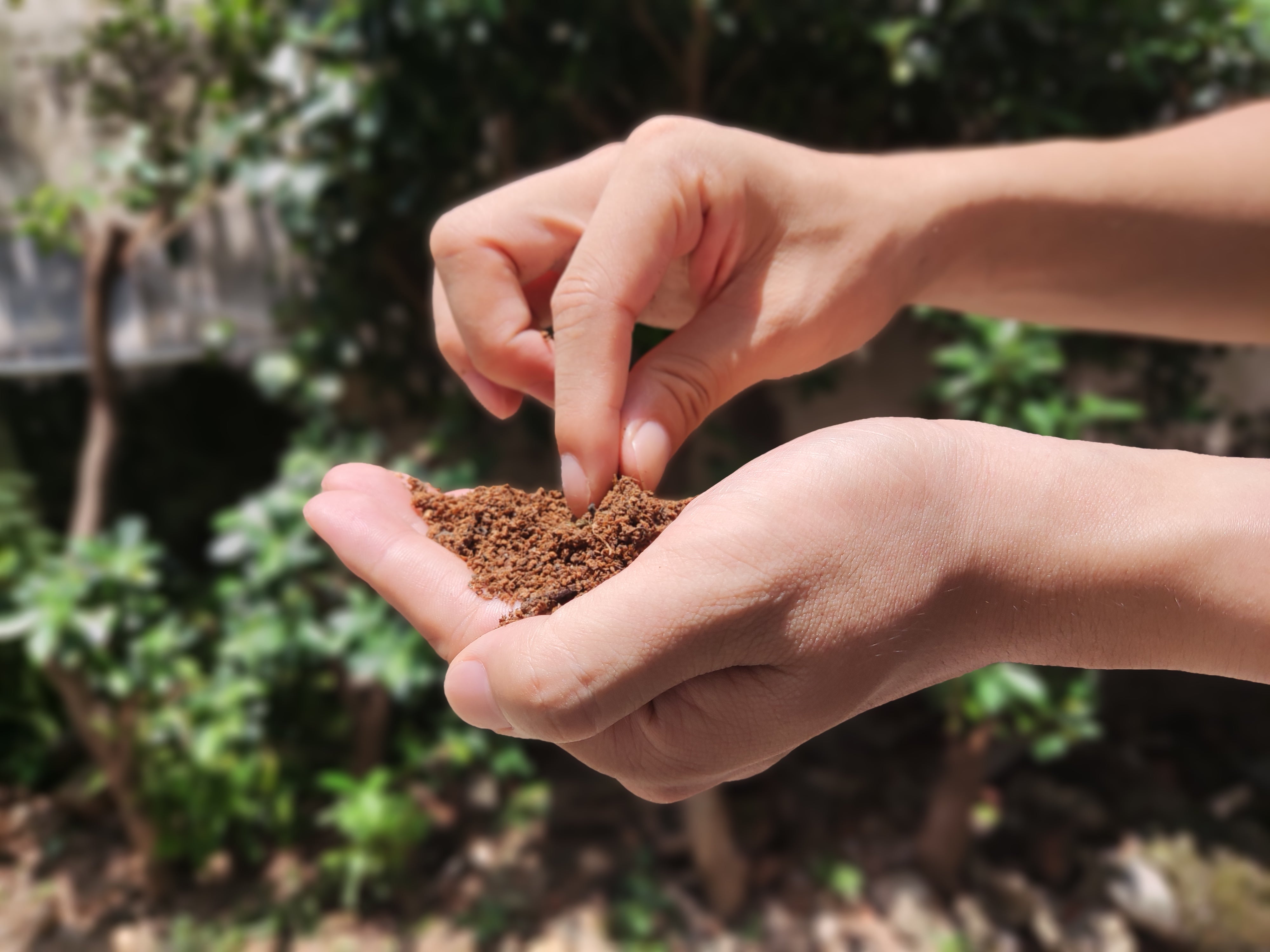
Yes, brown rice can be composted. Plain uncooked brown rice, small amounts of cooked brown rice, and spoiled rice can usually be composted.
However, cooked rice can attract pests in outdoor compost piles, especially if it contains oil, sauce, meat, or seasoning. For backyard composting, bury rice deep in the pile and mix it with dry brown materials such as leaves, cardboard, or sawdust.
Compost Leftover Rice Instead of Throwing It Away
Leftover cooked brown rice can spoil quickly if stored poorly. GEME Terra 2 helps households compost kitchen scraps, leftover grains, vegetable peels, and other daily food waste indoors.
FAQ
Is brown rice healthier than white rice?
Brown rice is generally considered healthier because it is a whole grain with more fiber, minerals, and plant compounds than white rice.
Is it OK to eat brown rice every day?
Brown rice can be eaten regularly as part of a balanced diet, but it is wise to vary grains and rinse rice before cooking.
Does brown rice contain arsenic?
Rice can contain small amounts of arsenic depending on where it is grown. Rinsing rice and cooking with extra water can help reduce exposure.
Can brown rice help with weight loss?
Brown rice may support weight management because its fiber helps with fullness, but portion size still matters.
Is brown rice good for diabetics?
Brown rice may be a better option than white rice for some people because it contains more fiber, but people with diabetes should control portions and follow medical guidance.
How do you cook brown rice so it is not mushy?
Rinse it well, measure water carefully, avoid overcooking, and let it rest covered before fluffing with a fork.
How long does cooked brown rice last in the fridge?
Cooked brown rice usually lasts about 3–4 days in the fridge when stored in an airtight container.
Can cooked brown rice be composted?
Yes. Cooked brown rice can be composted, but it may attract pests outdoors. An enclosed food-waste composter is a cleaner option for rice and other kitchen scraps.
Turn Kitchen Scraps Into Real Compost
Healthy cooking can still create leftovers and food waste. GEME Terra 2 helps households compost daily kitchen scraps indoors and return organic matter to soil.
Summary
- Brown rice is a whole grain: it keeps the bran and germ.
- Nutrition: brown rice has more fiber, minerals, and plant compounds than white rice.
- Health benefits: may support digestion, heart health, blood sugar control, and fullness.
- Cooking: brown rice usually takes 40–50 minutes on the stovetop.
- Storage: cooked brown rice should be refrigerated promptly and used within 3–4 days.
- Composting: leftover brown rice can be composted, especially in an enclosed food-waste composter.
Sources
- Wikipedia: Brown Rice
- Harvard Health: Brown Rice Versus White Rice
- WebMD: Brown Rice Health Benefits
- Novant Health: Is Brown Rice Really Better for You Than White Rice?
- CDC: Rice and Food Safety

Zostaw komentarz
Ta strona jest chroniona przez hCaptcha i obowiązują na niej Polityka prywatności i Warunki korzystania z usługi serwisu hCaptcha.