
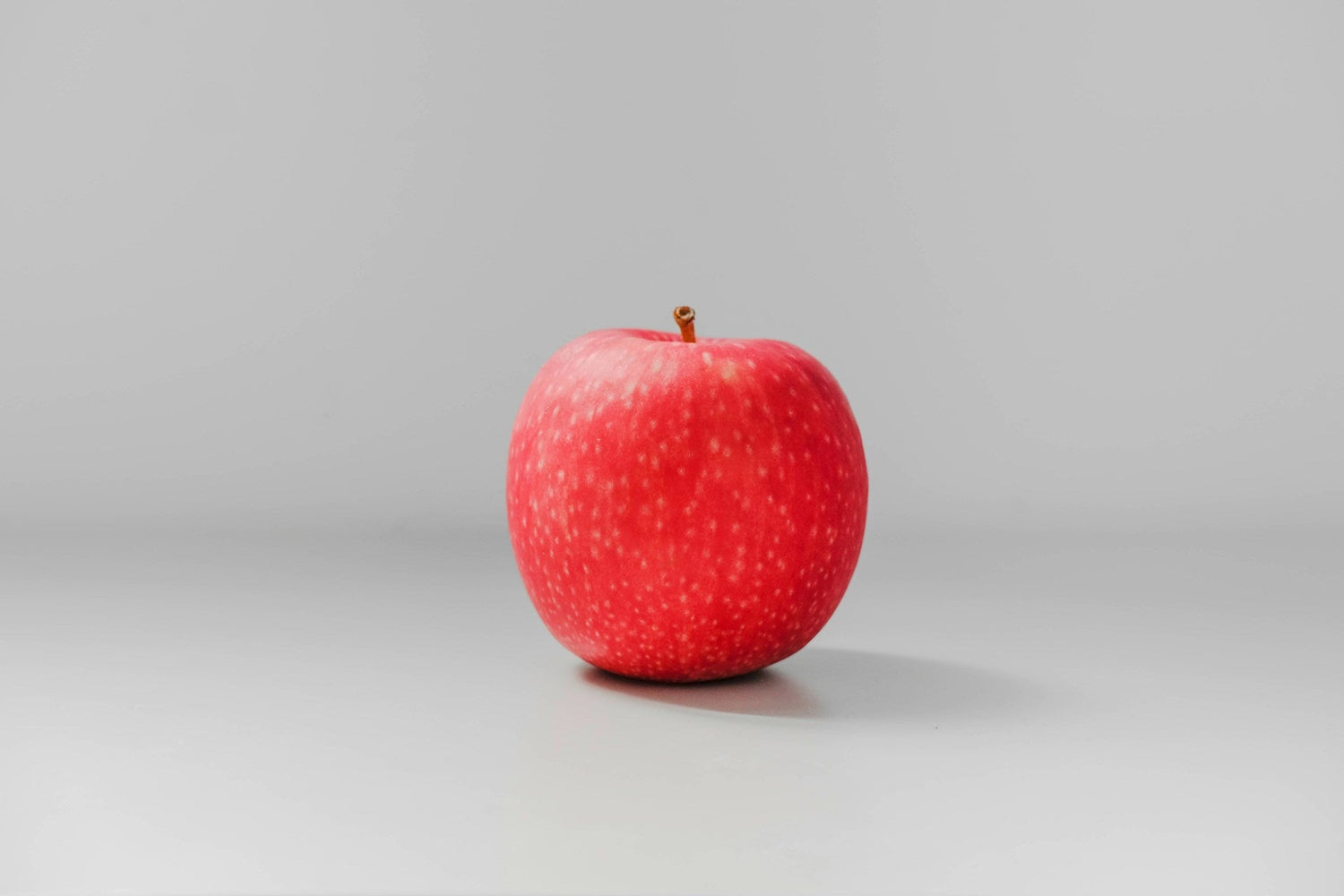
Whole apples usually last 6–8 weeks in the fridge, while cut apples should be eaten within 3–5 days. Apples stored on the countertop usually stay fresh for about 5–7 days, depending on variety, temperature, bruising, and storage conditions.
This guide explains how long apples last, how to store apples properly, how to tell when apples have gone bad, and what to do with spoiled apples instead of wasting them.
Quick Answer
Whole apples can last about 6–8 weeks in the fridge, especially when stored unwashed in the crisper drawer. On the counter, apples usually last 5–7 days. Cut apples should be refrigerated in an airtight container and used within 3–5 days. If apples become moldy, sour-smelling, slimy, or badly bruised, do not eat them—compost them instead.
Table of Contents
How Long Do Apples Last in the Fridge?
Whole apples stored in the refrigerator’s crisper drawer generally last 6–8 weeks. Some firm, thick-skinned varieties such as Granny Smith, Fuji, Honeycrisp, Braeburn, and Cosmic Crisp may last even longer under ideal conditions.
On the countertop, apples usually last 5–7 days. In a cool room, they may last slightly longer, but room temperature storage causes apples to ripen and soften faster.
Cut apples should always be refrigerated in an airtight container and are best eaten within 3–5 days.
Apple Storage Life Table
| Apple Type / Condition | Countertop | Fridge Crisper Drawer | Long-Term Cool Storage | Cut Apples |
|---|---|---|---|---|
| Standard varieties such as Gala or Fuji | 5–7 days | 6–8 weeks | 3–6 months | 3–5 days in fridge |
| Crisp or thick-skinned apples | 5–7 days | 8–12 weeks | 6–9 months | 3–5 days in fridge |
| Thin-skinned apples | 3–5 days | 4–6 weeks | 2–4 months | 2–4 days in fridge |
| Bruised or damaged apples | 2–3 days | 1–2 weeks | Not recommended | Not recommended |
Too Many Apples Going Bad?
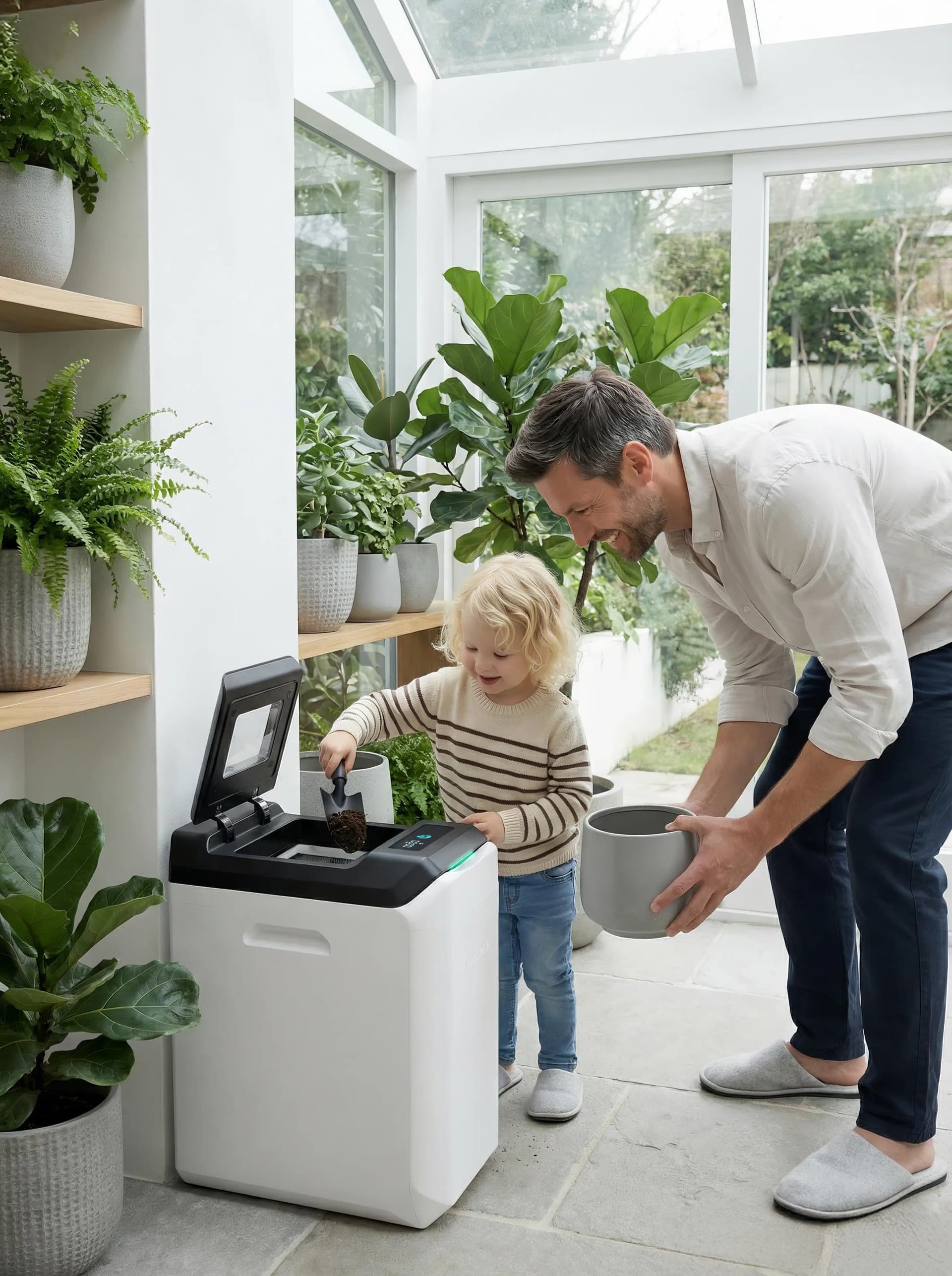
Spoiled apples do not have to end up in the trash. GEME Terra 2 is a kitchen electric composter designed to help households turn daily food scraps, including bad apples, into compost material for soil use.
How to Store Apples for Maximum Freshness
The best way to store whole apples is to keep them unwashed in the refrigerator’s crisper drawer. Cold temperatures slow ripening, while proper humidity helps prevent apples from drying out.
Best Fridge Conditions for Apples
- Temperature: around 30–35°F is ideal for long storage.
- Humidity: higher humidity helps apples stay crisp.
- Airflow: use ventilated bags or avoid sealing apples too tightly.
- Separation: keep apples away from ethylene-sensitive produce.
Michigan State University Extension explains that different produce items have different refrigeration needs because of factors such as ethylene, humidity, pathogens, and temperature sensitivity. Read the MSU Extension guidance on produce storage.
Apple Storage Mistakes to Avoid
- Do not wash apples before long-term storage.
- Do not store bruised apples with healthy apples.
- Do not store apples near leafy greens or ethylene-sensitive produce.
- Do not leave cut apples at room temperature for long periods.
How to Know When Apples Have Gone Bad
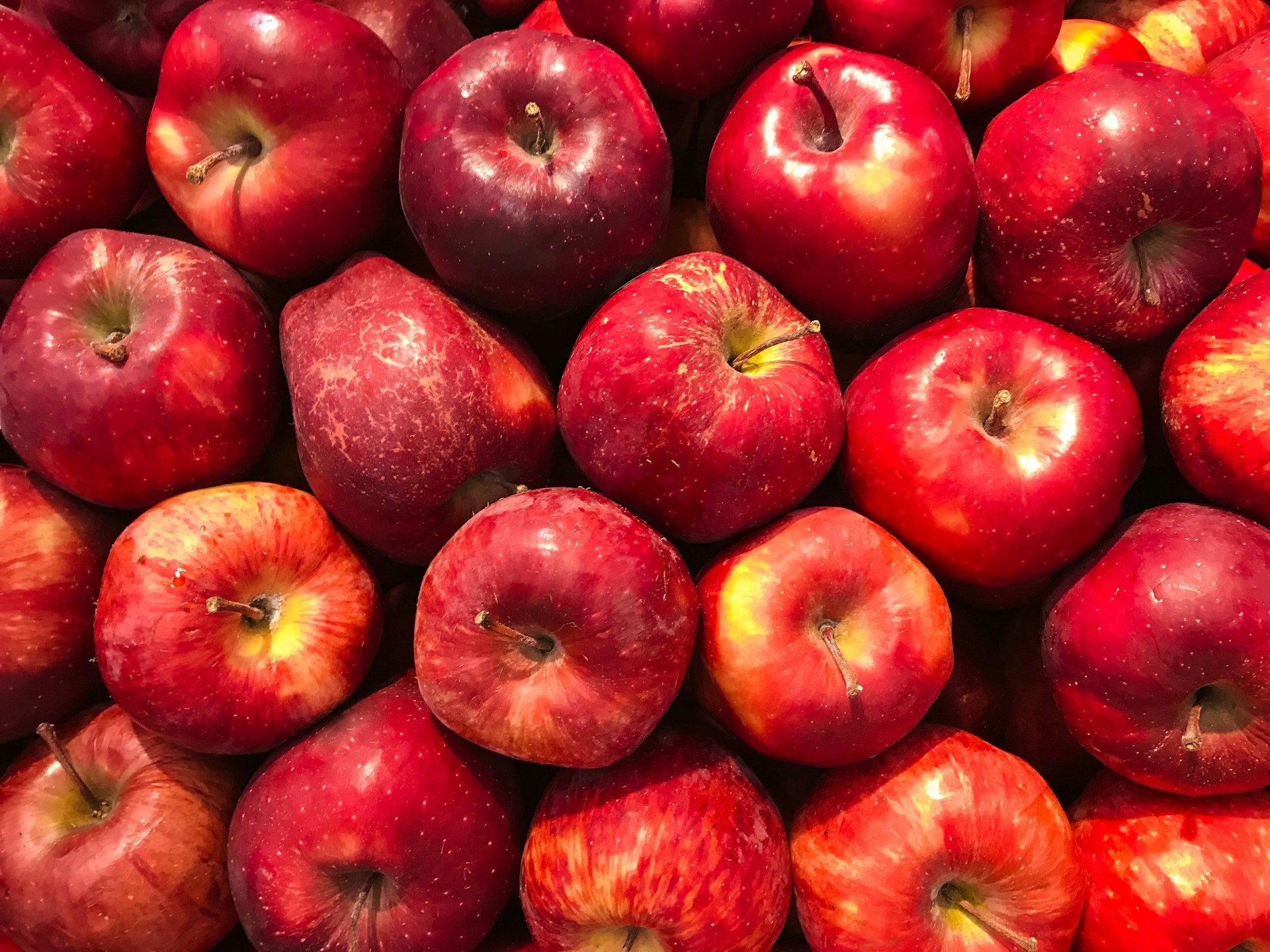
Slightly soft apples may still be safe for cooking, baking, smoothies, or applesauce. However, badly spoiled apples should not be eaten.
Signs an Apple Has Gone Bad
- Soft or mushy texture: the apple may be overripe or breaking down.
- Visible mold: discard the apple instead of cutting around it.
- Sour or fermented smell: this suggests spoilage.
- Leaking juice: the apple is no longer fresh.
- Large brown or rotten patches: avoid eating it raw.
Is It Safe to Eat a Bad Apple?
If an apple is only slightly soft and has no mold, no sour smell, and no slimy texture, you can usually cook it after trimming damaged areas. If the apple is moldy, sour-smelling, slimy, or leaking liquid, it is safer to compost it.
How to Store Apples Long Term
For long-term apple storage, choose firm apples without bruises. Thick-skinned, crisp varieties usually store better than softer or thin-skinned varieties.
- Choose only unbruised apples.
- Wrap apples individually in paper to reduce contact damage.
- Store them in a cool, dark, humid space.
- Check regularly and remove damaged apples quickly.
Some traditional methods use paper wrapping, baskets, sawdust, or sand to reduce bruising and slow spoilage. Gardeners’ World also provides practical advice on how to store apples.
How Long Do Cut Apples Last?
Cut apples should be refrigerated and eaten within 3–5 days. Once an apple is cut, the flesh is exposed to air, moisture, and microbes, so it spoils faster than a whole apple.
How to Keep Cut Apples Fresh
- Store cut apples in an airtight container.
- Add a little lemon juice to slow browning.
- Keep them refrigerated.
- Use them within 3–5 days.
Can You Compost Bad Apples?
Yes. Bad apples, bruised apples, soft apples, apple peels, cores, and leftover apple pieces can usually be composted. Composting is one of the best ways to avoid sending spoiled fruit to the landfill.
If apples are moldy or rotten, avoid eating them and compost them instead. Cut large apples into smaller pieces to help them break down more quickly.
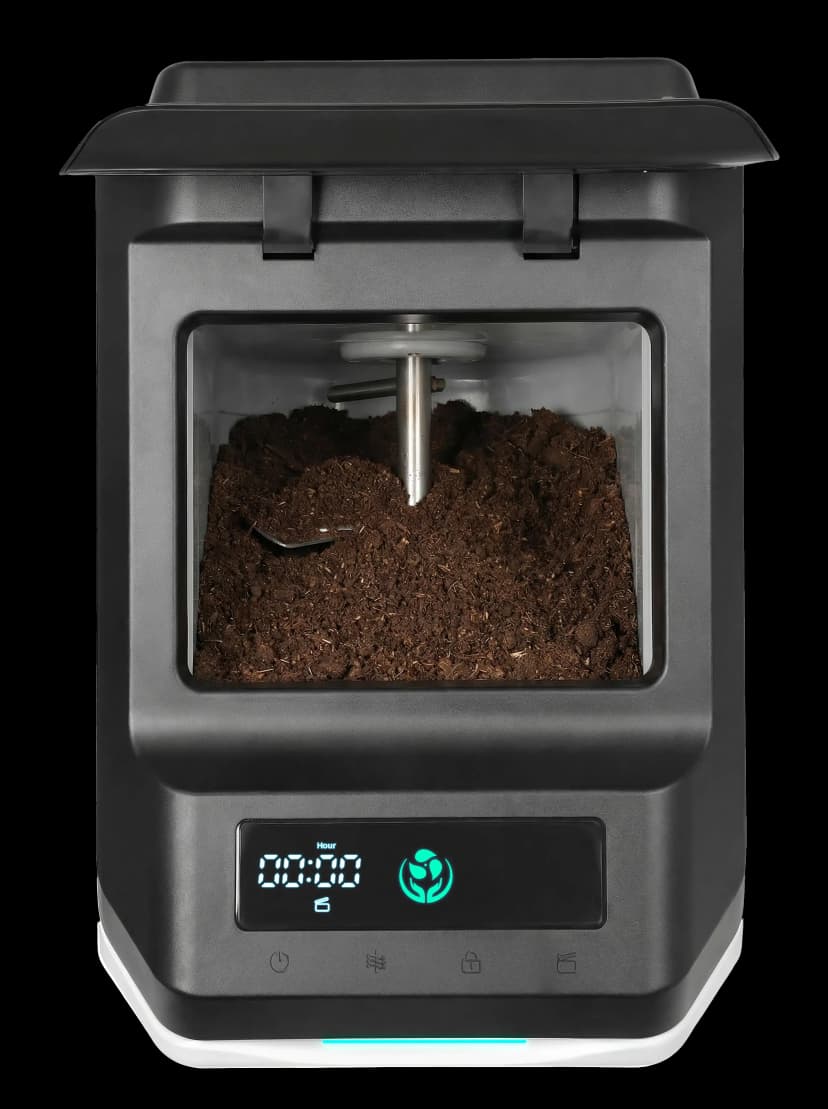
Turn Bad Apples Into Compost Material
Instead of throwing spoiled apples into the trash, you can compost them with other kitchen scraps. GEME Terra 2 is designed for indoor home composting and daily food waste reduction.
Can Dogs Eat Apples?
Yes, dogs can eat apples in moderation, but they should be prepared safely. Remove the core, seeds, and stem, then cut the apple into small pieces.
The American Kennel Club notes that apples can be a safe snack for dogs when prepared correctly. Read the AKC guidance on dogs eating apples.
Safe Apple Feeding Tips for Dogs
- Wash apples thoroughly.
- Remove seeds, core, and stem.
- Cut apples into small bite-sized pieces.
- Feed apples only in moderation.
- Stop feeding apples if your dog has stomach upset.
Apple Recalls and Food Safety
Apples are not among the most common foods linked to recalls, but food safety still matters. Wash apples thoroughly before eating, especially if you plan to eat the skin.
The USDA provides guidance on how fresh produce should be washed before eating.
Food recall risks can include contamination, misbranding, or undeclared allergens. For example, an apple-related prepared food recall involved misbranding and an undeclared allergen. See the FSIS recall notice.
Frequently Asked Questions
Should apples be refrigerated?
Yes, if you want them to last longer. Apples can sit at room temperature for a few days, but refrigeration slows ripening and helps them stay crisp for several weeks.
How long do apples last on the counter?
Most apples last about 5–7 days on the countertop. In a cool room, some apples may last slightly longer.
How long do apples last in the fridge?
Whole apples usually last 6–8 weeks in the fridge. Some firm varieties can last 2–3 months when stored under ideal conditions.
How long do cut apples last in the fridge?
Cut apples usually last 3–5 days in the fridge when stored in an airtight container.
Can you eat a slightly soft apple?
Yes, if it has no mold, sour smell, slime, or leaking liquid. Slightly soft apples are often better for baking, sauces, or smoothies than eating fresh.
Can you compost moldy apples?
Yes, moldy apples can usually be composted. Cut them into smaller pieces to speed up decomposition and mix them with other compost materials.
Can dogs eat apples?
Yes, dogs can eat apple slices in moderation. Remove the seeds, core, and stem before feeding.
How do you keep apples fresh for months?
Choose firm, unbruised apples; store them cool and dark; wrap or separate them to prevent bruising; and check regularly for spoilage.
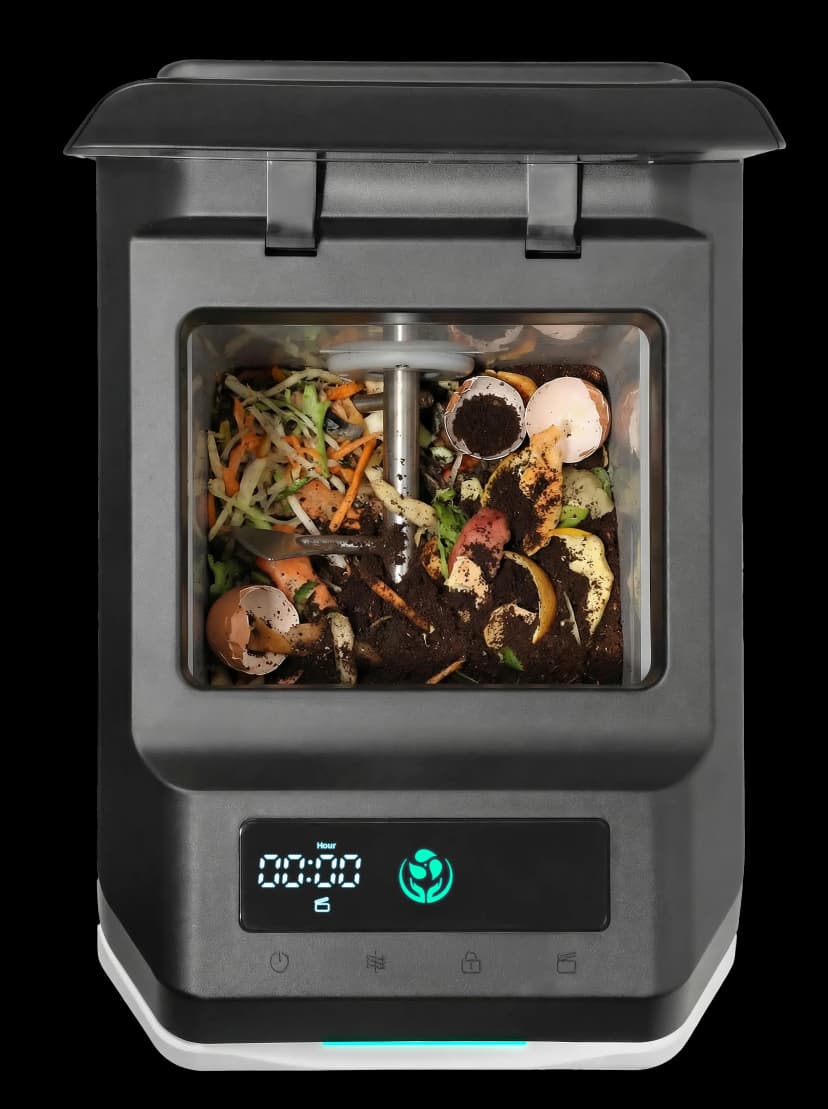
Compost Spoiled Apples at Home
Great storage helps reduce waste, but some apples will still go bad. GEME Terra 2 helps households turn spoiled fruit and everyday kitchen scraps into compost material through indoor composting.
Summary of Key Tips
- Whole apples in the fridge: usually 6–8 weeks.
- Whole apples on the counter: usually 5–7 days.
- Cut apples: refrigerate and use within 3–5 days.
- Best storage method: keep apples unwashed in the crisper drawer.
- Bad apple signs: mold, sour smell, slime, leaking juice, or major brown patches.
- Composting: spoiled apples can be composted instead of thrown away.
Sources
- Produce storage confusion: Why refrigerate this and not that?
- How to Store Apples
- How Long Do Apples Last?
- Should Apples Be Refrigerated?
- Can Dogs Eat Apples?
- USDA: How should fresh produce be washed before eating?
- FSIS Recall Notice

Laisser un commentaire
Ce site est protégé par hCaptcha, et la Politique de confidentialité et les Conditions de service de hCaptcha s’appliquent.