
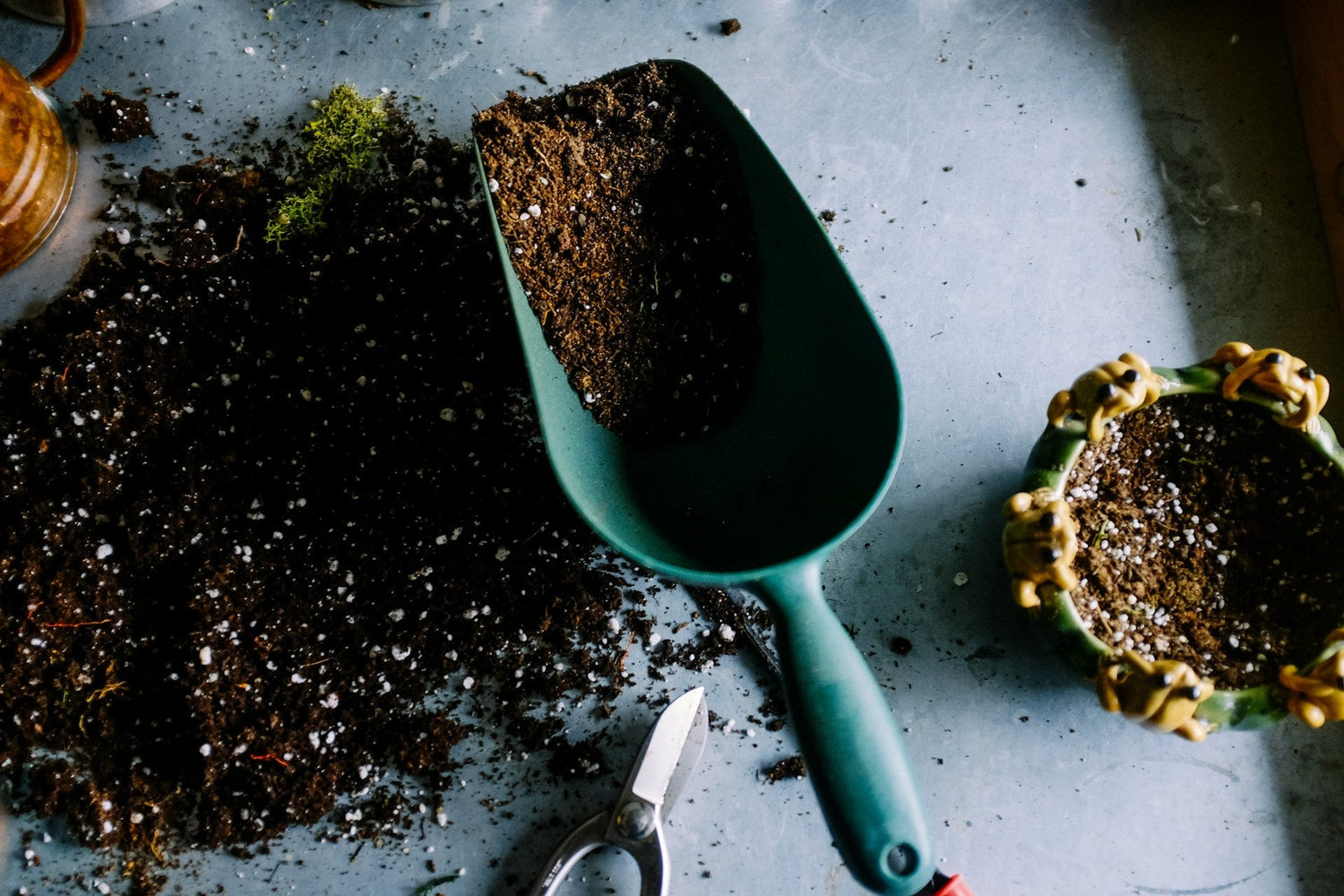
Starting a garden is easier than most beginners think. With the right location, healthy soil, suitable plants, and a simple care routine, almost anyone can grow vegetables, herbs, flowers, or fruit successfully.
One of the biggest secrets behind a thriving garden is not expensive fertilizer or complicated equipment. It is healthy soil enriched with compost. Whether you are building your first raised bed, planting in containers, or starting directly in the ground, learning how soil, compost, sunlight, and water work together will make gardening much easier.
Quick Answer
To plant a garden successfully, choose a sunny location, prepare nutrient-rich soil, select plants suited to your climate, water consistently, and improve soil health with compost. Healthy soil is the foundation of every productive garden.

Beginner Garden Planting Overview
| Plant Type | Best Planting Time | Sunlight | Soil Needs | Beginner Tip |
|---|---|---|---|---|
| Tomatoes | Spring | 6–8 hours | Rich, well-draining soil | Add compost before planting. |
| Lettuce | Spring or fall | 4–6 hours | Moist, loose soil | Harvest leaves regularly. |
| Basil and herbs | Spring | 6+ hours | Well-drained soil | Pinch often for bushier growth. |
| Carrots | Spring or fall | 6+ hours | Loose, sandy soil | Remove stones to prevent forking. |
| Strawberries | Spring or fall | 6+ hours | Well-drained, slightly acidic soil | Use mulch to protect fruit. |
| Blueberries | Spring | 6+ hours | Acidic, well-drained soil | Test soil pH before planting. |
1. Choose the Right Garden Location
When you are learning how to plant a garden, location is the first big decision. Most vegetables, herbs, and flowering plants need at least six hours of direct sunlight each day. Walk around your yard, balcony, or patio and observe where sunlight stays the longest.
- Track sunlight: watch the area in the morning, midday, and the afternoon.
- Check drainage: avoid spots where water pools after rain.
- Keep water nearby: choose a location close to a hose, faucet, or watering can.
- Start accessible: place your first garden where you will see it often.
2. Prepare Healthy Soil Before Planting
Healthy soil is the foundation of a successful garden. Before planting, remove weeds, rocks, and debris. Loosen the soil with a shovel, fork, or tiller, then mix in compost to improve structure, fertility, and water retention.
- Clear the area: remove grass, weeds, roots, and large stones.
- Loosen the soil: dig 8–12 inches deep for better root growth.
- Add compost: mix compost into the top layer of soil.
- Let the bed settle: water lightly and allow the soil to rest before planting.
Why Compost Is Essential for a New Garden
Many beginner gardeners focus on plants, but experienced gardeners focus on soil. Healthy soil contains organic matter, beneficial microorganisms, air, water, and nutrients that support root development.
Compost improves soil structure, helps sandy soils retain moisture, loosens compacted clay soils, and slowly releases nutrients as plants grow. For this reason, compost is one of the most useful soil amendments for home gardens.
Learn more: Garden Soil vs Compost: What’s the Difference?
Create Compost for Your Garden at Home
Healthy gardens start with healthy soil. If you regularly cook at home, kitchen scraps such as vegetable peels, coffee grounds, and fruit leftovers can become valuable compost material for your garden.
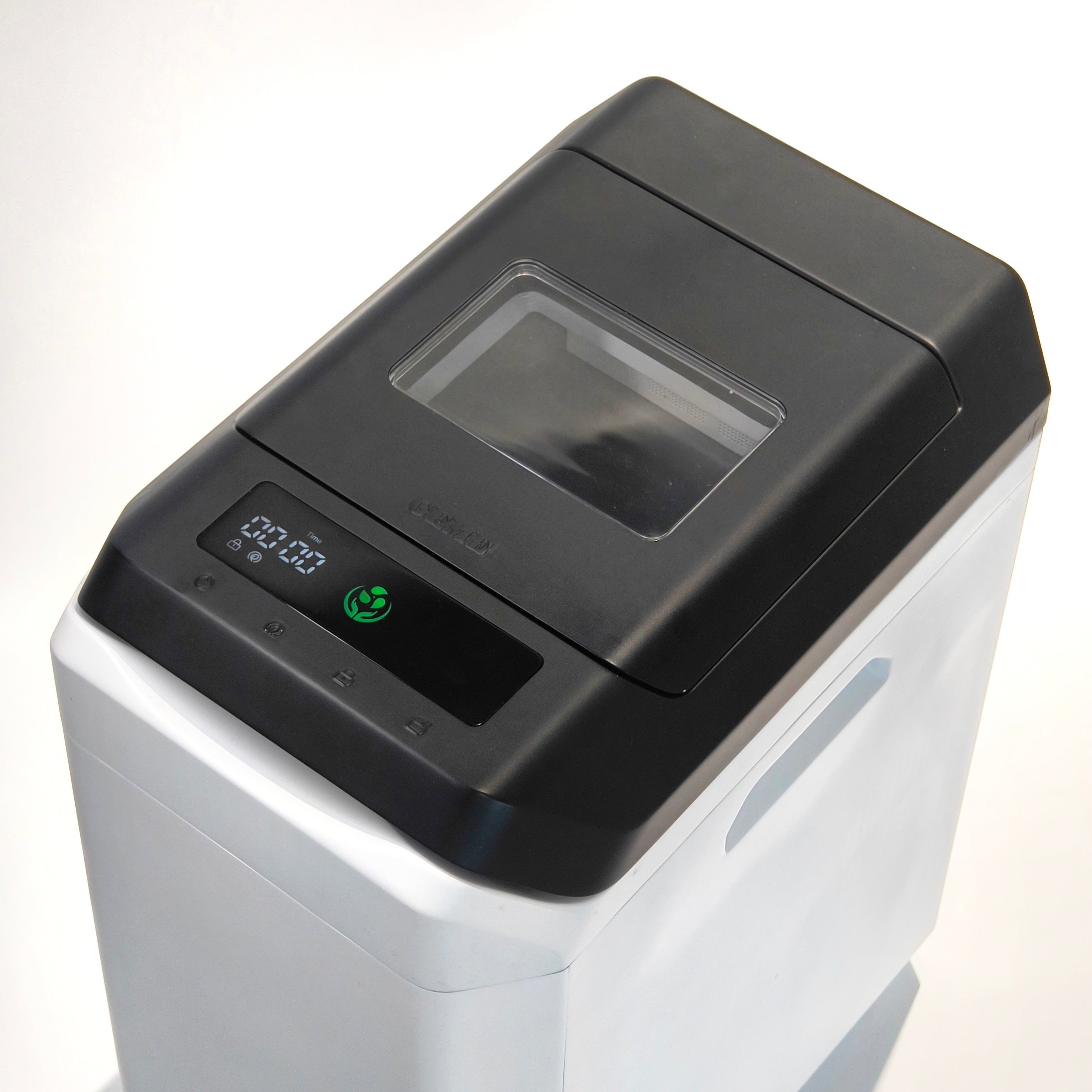
GEME Terra 2 is a kitchen electric composter designed for continuous indoor composting and producing compost material for soil improvement.
3. Pick the Best Plants for Your Space
Choose plants that match your climate, sunlight, soil type, and available space. Beginners usually do best with fast-growing, forgiving plants such as lettuce, basil, cherry tomatoes, spinach, zucchini, and marigolds.
- Check your growing zone: choose varieties suited to your local climate.
- Match sunlight needs: group full-sun plants together.
- Start with easy plants: herbs, lettuce, and cherry tomatoes are beginner-friendly.
- Leave enough space: crowded plants compete for nutrients and airflow.
4. Start Small and Stay Focused
For beginner gardeners, a small garden is easier to manage and more likely to succeed. A single raised bed, a few containers, or a small herb garden can teach you the basics without becoming overwhelming.
- Start with one raised bed or two to four containers.
- Sketch a simple planting map before buying plants.
- Grow a few crops well instead of trying everything at once.
- Expand only after your first setup becomes manageable.
5. Water Deeply and Consistently
Young plants need consistent moisture, but too much water can harm roots. Overwatering can lead to root problems and plant stress, so focus on deep, steady watering rather than frequent shallow watering.
- Water deeply: soak the soil so moisture reaches the root zone.
- Water in the morning: this reduces evaporation and disease risk.
- Check soil moisture: stick a finger into the soil before watering again.
- Adjust for weather: water less after rain and more during heatwaves.
6. Weed Regularly to Protect Young Plants
Weeds compete with your garden plants for water, light, nutrients, and space. Removing weeds early prevents them from spreading and becoming harder to control.
- Pull weeds before they flower or set seed.
- Use mulch to block weed growth and keep soil moist.
- Keep mulch away from plant stems to prevent rot.
- Check your garden every few days during the growing season.
7. Fertilize Carefully for Healthy Growth
Garden plants need nutrients, but more fertilizer is not always better. Too much fertilizer can burn roots, create weak leafy growth, or reduce flowering and fruiting.
Compost is one of the best organic options because it improves soil health over time rather than simply adding a quick nutrient boost.
- Use compost before planting to improve soil quality.
- Side-dress vegetables with compost during active growth.
- Use slow-release fertilizer only when needed.
- Watch plant leaves for signs of nutrient deficiency or overfeeding.
How to Make Compost for Your Garden
One of the most sustainable ways to improve garden soil is by creating compost from organic waste. Common compost ingredients include:
- Fruit and vegetable scraps
- Coffee grounds
- Tea leaves
- Grass clippings
- Dry leaves
- Garden trimmings
Finished compost improves soil fertility, supports microbial life, and helps gardens retain moisture more effectively.
Related guides:
Extra Gardening Tips for Beginners
Know Your Soil Type
Sandy soil drains quickly but may dry out fast. Clay soil holds water but can become compacted. Loamy soil is usually ideal because it balances drainage, moisture, and nutrients. Compost can improve all three soil types.
Use the Right Tools
A hand trowel, garden fork, gloves, watering can, pruning shears, and a small rake are enough for most beginner gardens.
Manage Pests Naturally
Check leaves regularly for insects, holes, discoloration, or fungal spots. Improve airflow, avoid overwatering, and use gentle organic pest-control methods when needed.
Use Companion Planting
Some plants grow well together. Basil is often planted near tomatoes, marigolds are commonly used around vegetable beds, and beans can help add nitrogen to the soil.
Harvest at the Right Time
Harvest vegetables and herbs when they are at peak quality. Regular harvesting can encourage continued growth, especially for herbs, leafy greens, and some fruiting vegetables.
Turn Kitchen Scraps Into Garden Compost
Great gardens begin with healthy soil. GEME Terra 2 helps households convert everyday food scraps into compost material through indoor composting.
Whether you are growing vegetables, herbs, flowers, or fruit, compost can become one of the most valuable resources in your garden.
Frequently Asked Questions
What is the easiest garden plant for beginners?
Lettuce, basil, spinach, and cherry tomatoes are among the easiest plants for beginner gardeners because they grow quickly and require relatively simple care.
How much sunlight does a garden need?
Most vegetables and flowering plants require at least six hours of direct sunlight daily. Some leafy greens can tolerate partial shade.
Can compost replace garden soil?
No. Compost is best used as a soil amendment rather than a complete replacement for garden soil. Soil provides structure, while compost improves fertility and soil health.
How often should I water a new garden?
New gardens usually need consistent moisture. Deep watering several times per week is often better than frequent shallow watering, but the exact schedule depends on weather, soil type, and plant needs.
Why is compost important for gardening?
Compost improves soil structure, increases nutrient availability, supports beneficial microorganisms, and helps retain moisture. It is one of the best ways to build long-term soil health.
Can kitchen scraps become garden compost?
Yes. Fruit peels, vegetable scraps, coffee grounds, tea leaves, and other organic materials can become compost when processed correctly. A kitchen composter can make this easier for households without an outdoor compost pile.
Final Thoughts on How to Plant a Garden
Learning how to plant a garden starts with a few simple steps: choose a sunny location, prepare healthy soil, select beginner-friendly plants, water consistently, and use compost to improve soil over time.
Start small, observe your plants, and keep improving your soil season after season. A healthy garden is built gradually, and compost is one of the easiest ways to support that growth.

Laisser un commentaire
Ce site est protégé par hCaptcha, et la Politique de confidentialité et les Conditions de service de hCaptcha s’appliquent.